
A negative-pressure ventilation upgrade is under discussion at a Wens base in Jiangsu: multi-stage fans, inlets linked to fan volume to hold pressure, data visible on the phone and parameters delivered remotely.
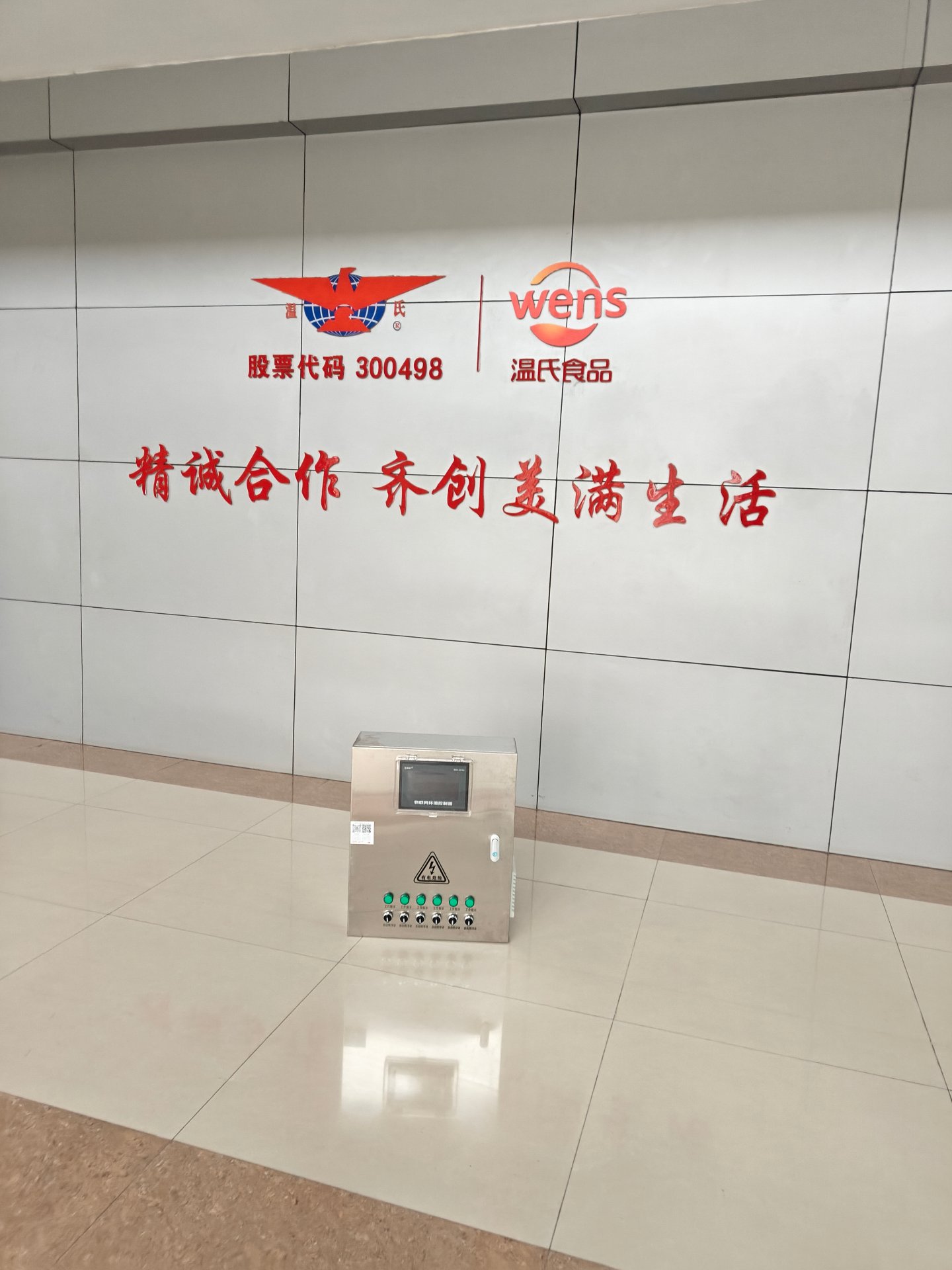
A Wens breeding base in Jiangsu is discussing a negative-pressure ventilation upgrade. The proposal comes down to one sentence: replace switches that someone has to press inside the barn with a system that can be watched, adjusted and alarmed from a phone.
What older barns struggle with
Ventilation in barns that have been in service for years usually combines timers with manual switching: how many fans to start and how far to open the inlets depends on the stockman's experience. When the weather turns or the flock ages, experience is no longer enough — too many fans drive negative pressure high and chill the animals, too few and the barn goes stuffy. Inlets that do not follow the fans make pressure swing up and down, and the temperature spread from one end to the other grows. Cooling in summer, minimum ventilation in winter, and the weeks of seasonal transition are where problems concentrate.
Four things the upgrade has to do
1. Finer fan control. Fans move from on/off to multi-stage operation, stepping up with in-house temperature and bird age instead of switching on all at once and causing a sudden temperature drop and pressure spike.
2. Inlets linked to fans. Inlet opening follows fan exhaust volume against a target pressure, holding negative pressure inside the set band instead of relying on someone walking between the two ends.
3. Data visible in real time. Static pressure, temperature, humidity and the status of every fan upload to the phone; curves can be reviewed and abnormalities pushed as alerts — the barn is visible even when nobody is there.
4. Parameters adjustable remotely. Seasonal changes and age-related stage shifts no longer mean visiting every barn; parameters are delivered remotely. Manual/auto selection and per-circuit run indicators stay on the panel so maintenance can force a single circuit without stopping production.
How the retrofit lands: pilot first, then batches
Both sides care about one thing in particular: not disrupting production. The approach is to calculate per barn and implement in batches — start with one or two barns as a pilot, compare pressure, temperature spread and power use before and after, and only then roll out barn by barn. Cabinets are configured to the existing wiring so that original cables and actuators can largely be reused, keeping downtime short.
Still under discussion, but the direction is clear
The project is still in the discussion stage; circuit configuration, sensor placement and implementation batches will be confirmed barn by barn. Parameter setup and subsequent troubleshooting are supported through Baomingxiang's nationwide remote commissioning, with on-site visits arranged by region when needed.
Hold the negative pressure steady and ventilation is finally done right. Baomingxiang Temperature Control — precise control makes farming easier. Tel: +86 199 3789 6911.