
Baomingxiang visited the Dabeinong service department in Suzhou to discuss precise temperature control and a smart silo weighing system: temperature swing, sensor placement, remaining feed and daily consumption, low-level alerts.
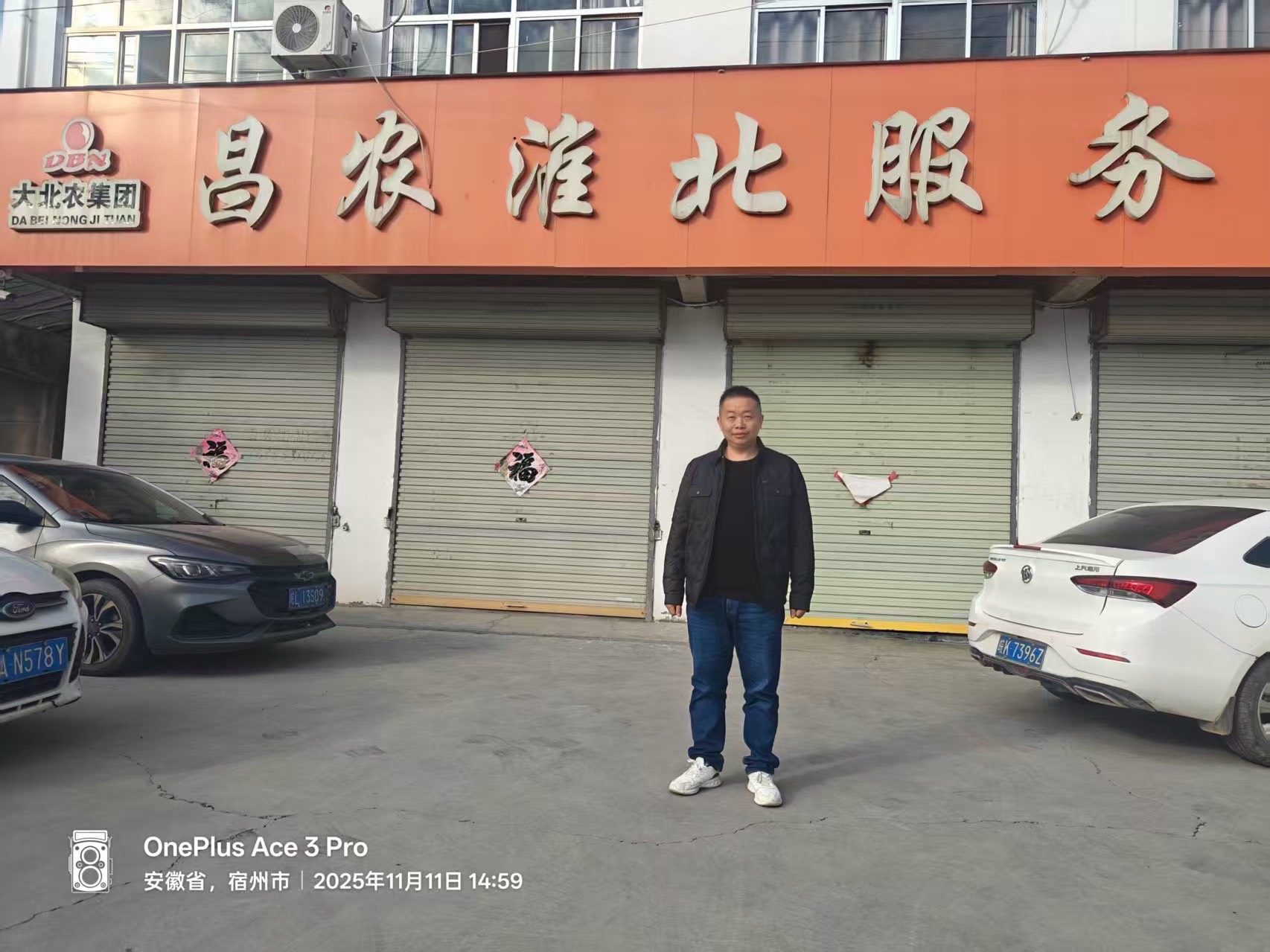
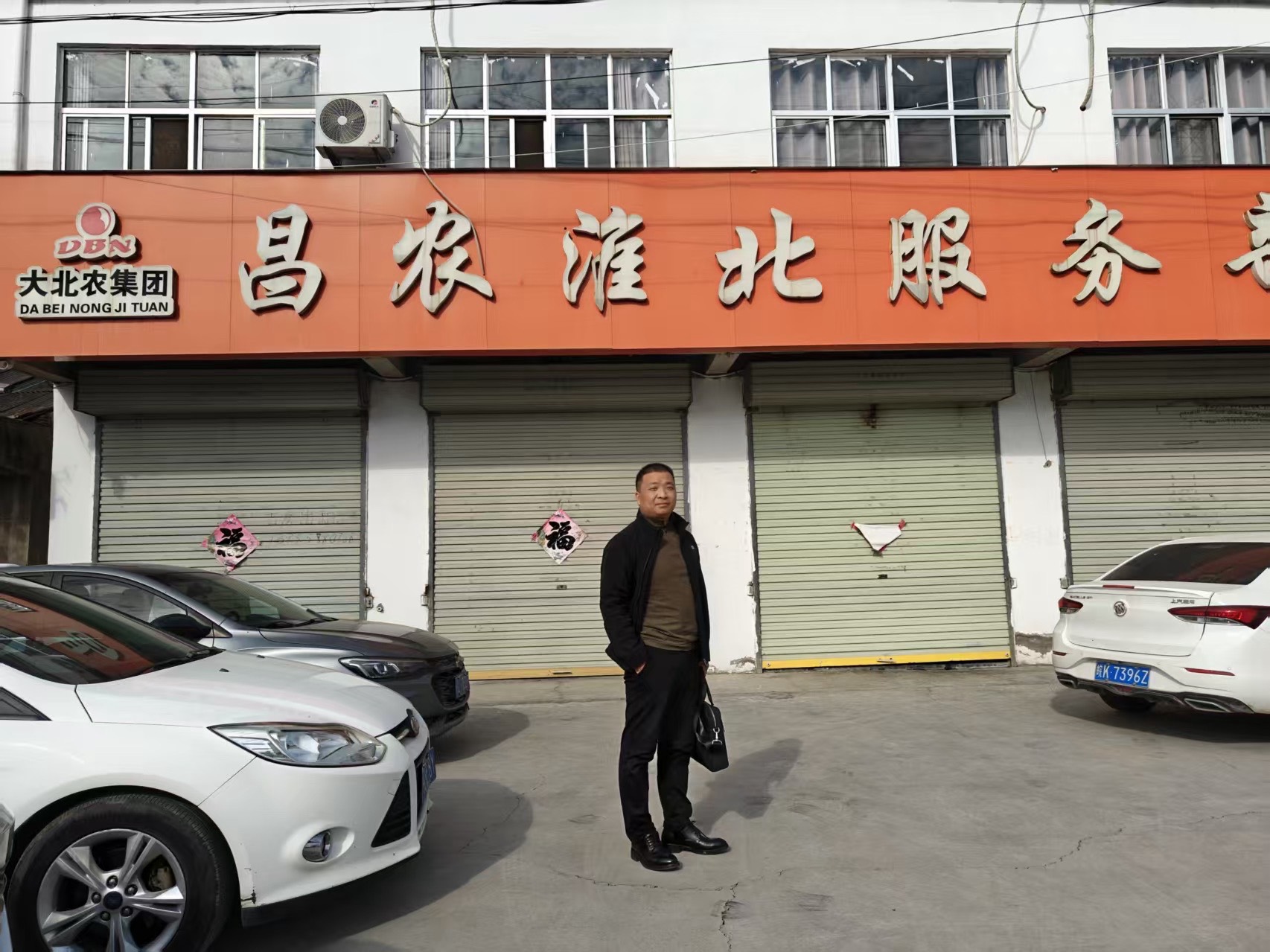
At the Dabeinong service department in Suzhou, the conversation was not about a single device but about two things: the temperature in the barn, and the feed in the silo. One decides whether the animals are comfortable, the other whether the cost is under control. Get both right and the farm's numbers start to look healthy.
1. Precise temperature control: narrowing the swing
The hard part of temperature control is never reaching the set point — it is the overshoot, the size of the swing, and how quickly it recovers. The discussion went through the details that matter: whether sensors sit at animal level or near the roof, what differential keeps fans from cycling on and off, how alarm delay is set so it raises real problems without false trips, and how ventilation stages should transition between seasons. None of these has one universal value; they are checked item by item against barn type, length and production stage.
2. Smart silo weighing: making the feed account add up
How much is left in the silo, how much was eaten today, when to order — these used to be checked by climbing up or estimated from experience. A smart weighing system turns them into live figures: remaining feed available at any time, daily consumption counted each day, and a push alert when the level drops below a set minimum so the barn never runs out. Delivery records line up with the consumption curve, which also exposes losses, theft and waste. In contract-rearing models, that account is often the difference between profit and loss.
3. The two data sets only mean something together
Temperature, humidity, light and feed intake are never separate lines. A sudden drop in intake may mean the temperature was not held, or that air quality went wrong; conversely, normal intake with slow weight gain sends you looking at ventilation and temperature spread. Bringing climate data and weighing data into one system, viewed side by side on a phone, makes problems much faster to locate — a direction both sides agreed on.
4. A plan has to land in one specific barn
Next comes verification on site: barn structure, the circuits and spare capacity of existing control cabinets, the number of silos and how feed is delivered — then deciding what to keep, what to retrofit and what to add. Parameter setup and ongoing troubleshooting are supported through Baomingxiang's nationwide remote commissioning, with on-site visits arranged by region when needed.
Hold the temperature, make the feed numbers add up, and the farm's day gets easier. Baomingxiang Temperature Control — precise control makes farming easier. Tel: +86 199 3789 6911.